

The Trouble With Tianeptine
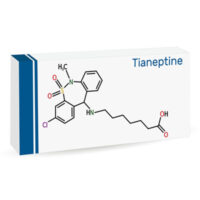
You know not to mess with heroin. Ever since your grandparents were old enough to read the newspaper, people have been dying of heroin overdoses or of apparently minor ailments at the bottom of a downward spiral caused by heroin addiction; heroin is also a Schedule I controlled substance, meaning that it is always illegal. Likewise, you know not to mess with fentanyl, because even though it is Schedule II and therefore has legally accepted medical applications, it is like heroin but stronger, and you would have to have been living under a rock for the past 15 years not to know that fentanyl causes more overdose deaths than any other drug. Things are more complicated with the drugs where authorities have not yet taken a position about how illegal they are, and all the information you can get about how safe or dangerous these drugs are is based on anecdotes or speculation. Florida has recently decided against tianeptine, a paradoxical drug which nonetheless remains available as a shady dietary supplement at gas stations in most other states. If you are facing criminal charges related to tianeptine, contact a West Palm Beach criminal defense lawyer.
A Pharmacologically and Legally Ambiguous Drug
How did a “Mother’s little helper” antidepressant become gas station heroin? Tianeptine was first synthesized in France in the 1960s; based on its molecular structure, it is a tricyclic antidepressant, like the ones commonly prescribed in those days. The goal was to make an antidepressant with fewer side effects than the ones available in mid-century. Since the 1980s, Tianeptine has been available, under the brand name Stablon, in Europe and South America.
Doctors noticed the abuse potential of tianeptine early on, and countries moved to restrict doctors from prescribing it. It became less prevalent as a prescription drug, especially after newer antidepressants such as Prozac became available. Clinical trials to approve tianeptine in the United States took place between 2009 and 2012, but the FDA never approved the drug as a prescription drug. It managed to be a not-banned additive to dietary supplements, and it is an ingredient in supplements such as Neptune’s Fix, sold in gas stations and smoke shops.
Tianeptine earned the nickname “gas station heroin” because people who took it described its effects as similar to opioids. In fact, participants in online discussion forums tell of taking tianeptine to avoid relapsing on opioids. In the illegal drug supply, tianeptine shows up in counterfeit opioid pills. Unfortunately, the “gas station heroin” nickname is a little bit too fitting; tianeptine withdrawal causes severe symptoms that resemble the symptoms of opioid withdrawal.
Federal law is silent on the legal status of tianeptine, but several states have banned it. In 2024, Florida made it a crime to possess or sell tianeptine.
Contact a West Palm Beach Criminal Defense Lawyer Today
Attorney William Wallshein has more than 41 years of experience, including five years as a prosecutor in Palm Beach County. Contact William Wallshein P.A. in West Palm Beach, Florida to discuss your case.
Source:
npr.org/2024/07/12/nx-s1-4865955/tianeptine-gas-station-heroin-drug